

Tom Boehm
Owner, Boehm Landscapingwe use Innovative Drone Mapping Solutions
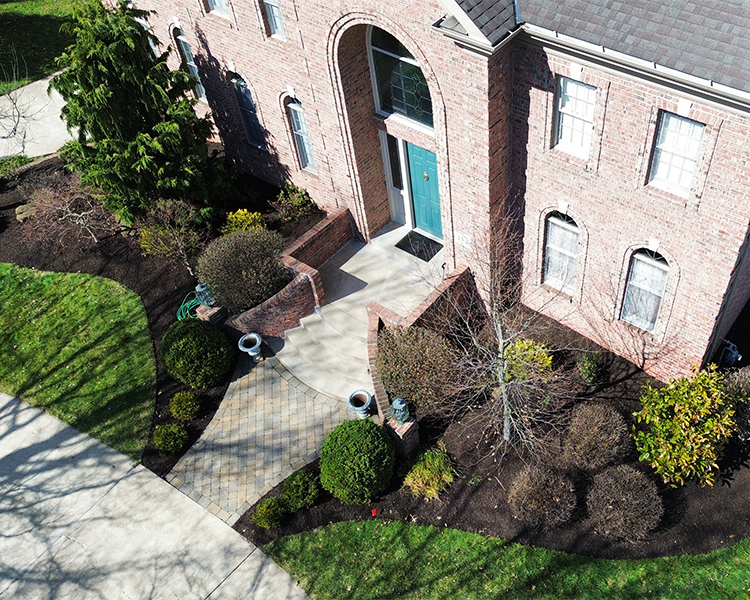
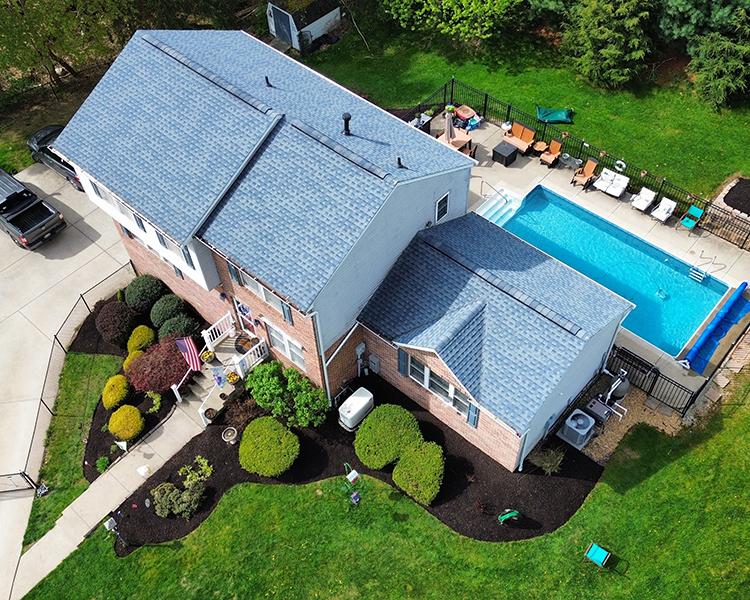
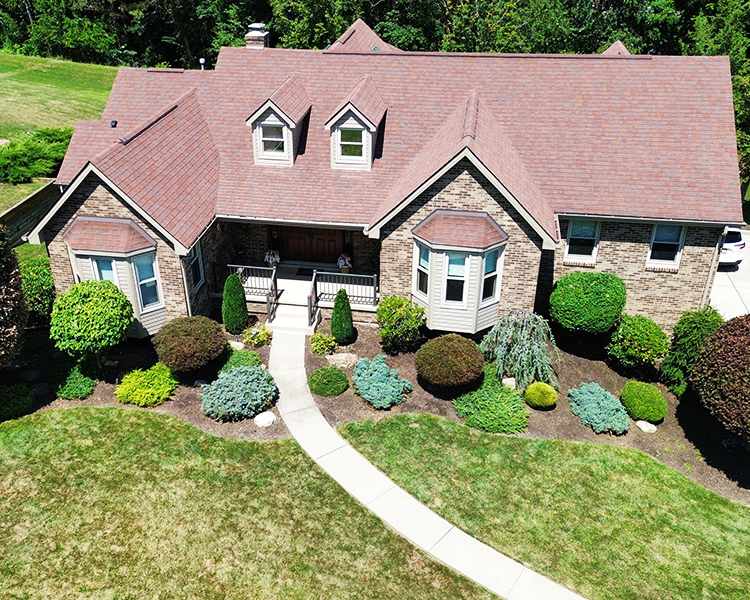
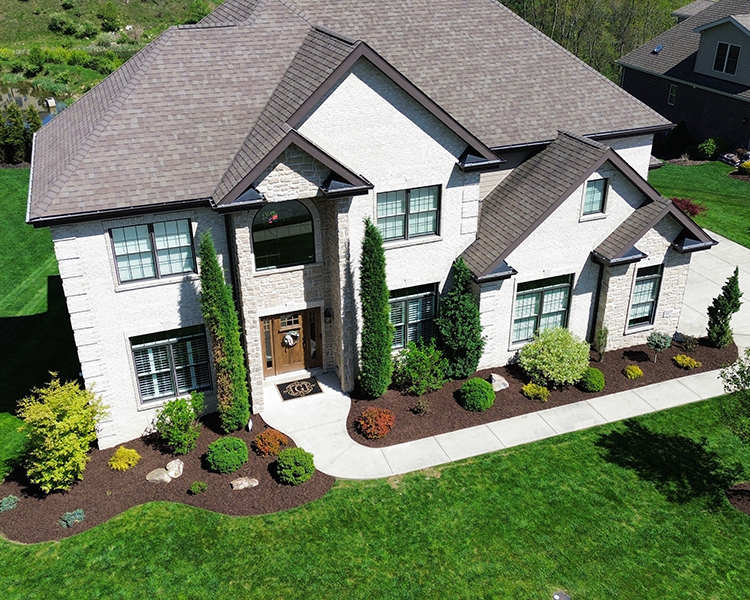
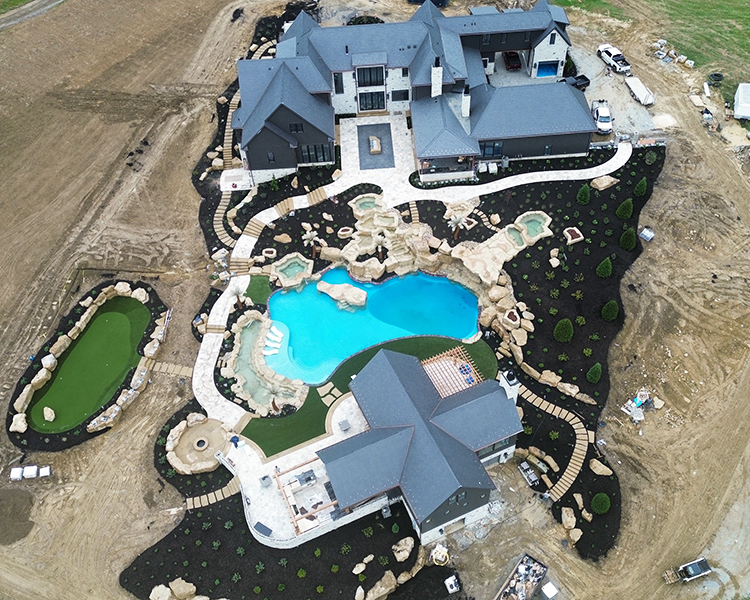
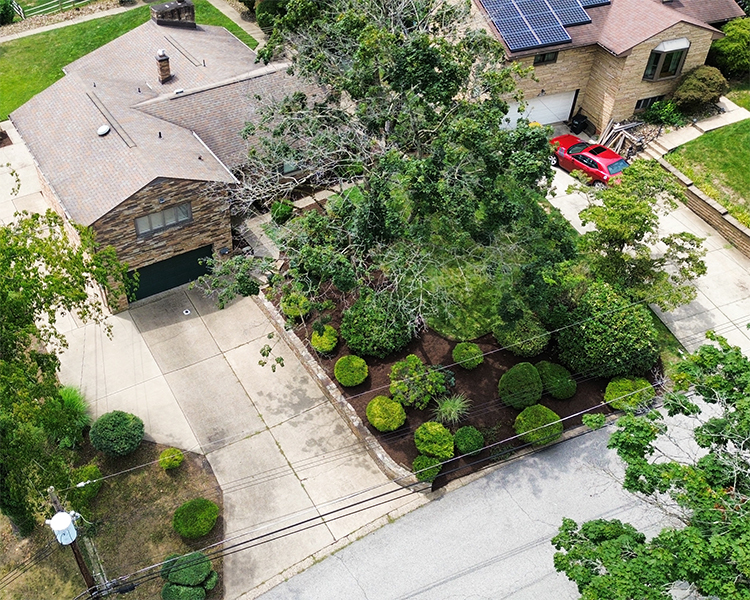
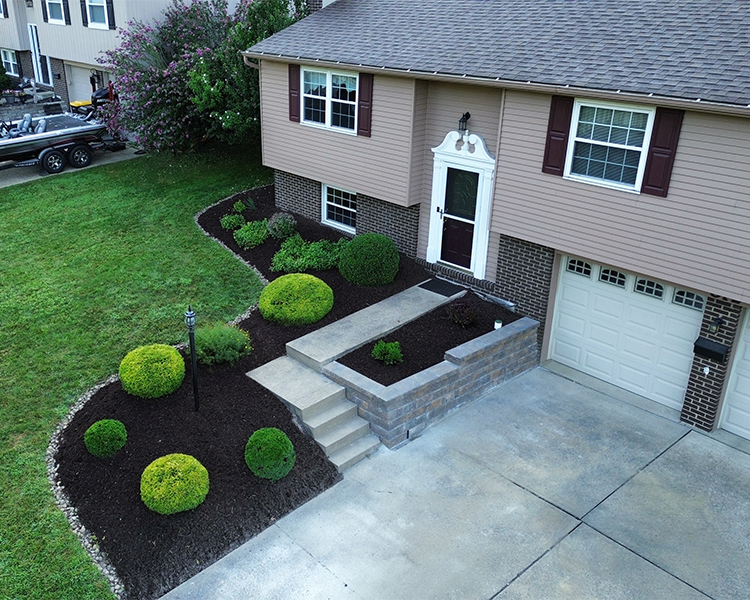
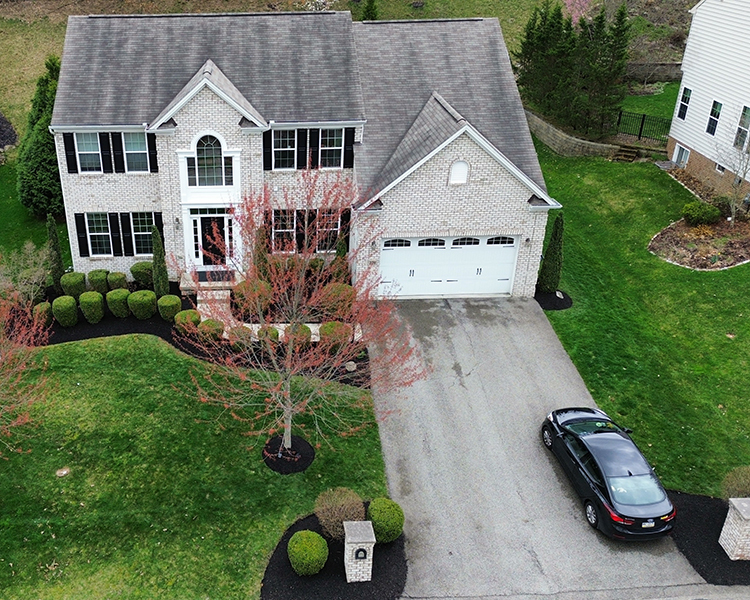
Drone mapping solutions use unmanned aerial vehicles (UAVs) with cameras and sensors to capture high-resolution aerial data, which specialized software then processes into detailed 2D maps (orthomosaics), 3D models, and reports, offering a faster, safer, and more cost-effective alternative to traditional surveying for industries like construction, agriculture, and surveying.
Data Capture: Drones fly pre-programmed or manual routes, taking thousands of overlapping photos (photogrammetry) or using LiDAR (laser) to measure distances and create elevation data.
Data Processing: Specialized software stitches these images together and uses algorithms to create accurate, geo - referenced outputs.
Deliverables: Common outputs include orthomosaics (geometrically corrected aerial images), 3D models, digital twins, and elevation models.
Key benefits
Speed and Efficiency: Collects vast amounts of data in a fraction of the time of manual surveys. Accuracy: Provides highly detailed and precise spatial information.
Safety: Eliminates the need for humans to enter dangerous or inaccessible areas.
Cost-Effectiveness: Reduces labor, equipment, and time costs. Enhanced Insights: Enables better planning, monitoring (e.g., construction progress), and analysis through digital models.
COMMON APPLICATIONS
- Construction: Site monitoring, progress tracking, quantity takeoffs, and digital twins.
- Agriculture: Crop health monitoring, field analysis, and yield prediction.
- Surveying and Mapping: Topographic surveys, boundary mapping, and site planning.
- Infrastructure: Inspections of bridges, power lines, and other assets.
You Should Know
Unlike traditional methods of mapping and surveying, drone mapping involves aerial mapping technology. The drones take pictures from the air, and then these are stitched together using advanced software to create an accurate representation of any given area.
Every time you send a drone out, it will create a digital twin of your construction project, allowing you to compare information against a baseline and keep track of progress. Drone data survey processing allows for data to be processed on the cloud, or for images to be processed on local computers and then uploaded to the cloud at a later point. By uploading the information to a single centralized platform managers can achieve deeper analysis and business intelligence.
Drone mapping often utilizes LiDAR systems to gauge distance using laser scanning. With LiDAR technology, pulses of light are sent out, and the time it takes for the reflection to return is measured. This allows the drone to accurately measure the distance between the LiDAR sensor and the elevation of the ground, perfect for building an accurate digital model, representing the real-world terrain of a specific area.